

These days, it is very hard to get away from added sugars. It seems like practically everything includes extra grams of sweetener! There are many reasons this is so, including the role of sugar as a preservative to help foods stay good for longer and the growth of the corn syrup industry. But, the most important reason may be due to the fact that sugar can be highly addictive. The brain craves sugar as a simple source of fuel! If we consume too much, though, then severe health problems can develop.
One common health concern that I work with often as a psychologist is diabetes mellitus type 2, otherwise known as “Sugars” or just “Diabetes.” Diabetes is a chronic condition that is caused by prolonged exposure to high amounts of sugar in the body. The symptoms of diabetes include fatigue, increased hunger, weight fluctuations, blurred vision, strain on the kidneys, numbing of the hands and feet, and a painful fiery feeling in the limbs known as “neuropathy.” Severe cases of diabetes can result in organ failure or the amputation of fingers, toes, or even hands and feet. Many severe cases also require daily nursing care, resulting often times in going into a nursing home.
About 1 in 10 Americans currently has Diabetes Mellitus Type 2 according to the CDC, and the odds of developing the condition increase with age. Those over the age of 45 years old are at high risk, and so in many ways this is a chronic condition of serious concern for older adults.
To treat the symptoms, someone with diabetes must test their blood for sugar levels multiple times a day and then inject insulin into their bloodstream if the levels are too high. Insulin has traditionally been very costly and requires refrigeration. To treat the fiery neuropathy, people often take an expensive medication called gabapentin. According to Costhelper.com, the average cost for diabetes medications is $200-$500 per month. Including hospitalizations, the average annual cost according to the CDC is $16,750 annually. That is an awful lot of money, I don’t care who you are!
Especially considering the fact that diabetes is preventable. How?
Sugar.
Cutting out added sugars from your diet, even in just a small way, can help you to prevent this costly disease. Some of the most significant sources of added sugar include:
-Soda/pop
-Alcohol
-Breakfast cereals
-Coffee flavor shots
-Packaged cake snacks
-Fruit drinks
-Pastries
-Ice cream
You can read the labels of your foods to see how much added sugar is included. As a reference, the American Heart Association recommends that men consume no more than 36 grams of added sugars each day. For women, the recommendation is no more than 25 grams of added sugars.
There are approximately 39 grams of added sugars in just one 12oz. can of Coca-Cola!
To be clear, I am not advocating for a complete refusal of all sweet things. I believe that everything can be enjoyed in moderation! But, making one small change can lead to a big difference over time. Perhaps starting off by replacing one can of soda each week with a glass of water or one dessert with a fresh fruit. Could we trade one unhealthy meal each week for a salad instead? If a small change can work, maybe we can make a second positive change. If it means preventing the development of diabetes and saving money, then small changes are very good things indeed.
To add further to the point, there is evidence that the effects of diabetes can be halted and even made non-significant (e.g., go into remission) if the person exercises and carefully controls their diet. Patients are recommended to select a diet low in processed foods, carbohydrates, and (you guessed it) sugars.
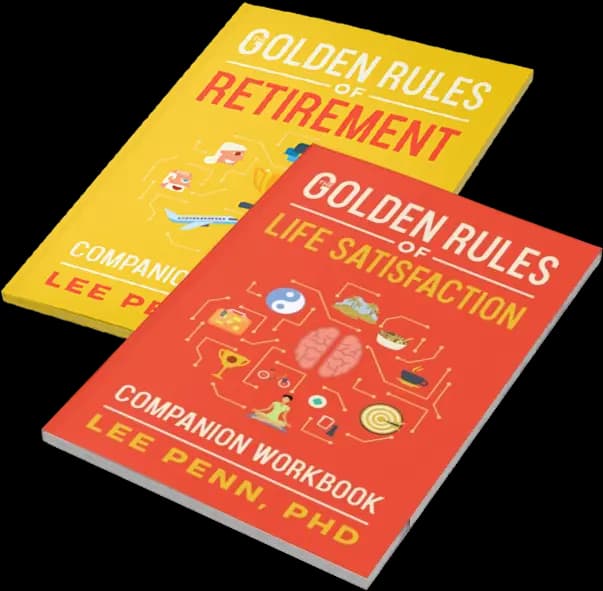
I explore these ideas and much, much more in my upcoming book: The Golden Rules of Retirement: A Psychologist’s Guide To Living Life to the Fullest, No Matter Your Financial Situation. Reserve your copy now on Amazon.com by going to the following link: https://www.amazon.com/Golden-Rules-Retirement
And, stay tuned for details, including release date, launch sales, and future books in the Golden Rules series by visiting my website: lifecanbegolden.com/
-Lee Penn, PhD
Check Out the Blog!




Join the E-mail list!
"Yes, I want to receive the free digital companion workbooks in my email, as well as news about upcoming books, book deals, and blog posts for the Golden Rules Series." Enter your email below to sign up and make life a little more golden today.

©2023-2026 Lee Penn, PhD. All Rights Reserved.